
How Kettlebell Workouts Can Reduce Stress and Boost Mental Health
Mental health is influenced by more than thoughts and emotions. The body plays an active role in shaping how the mind feels. Exercise stimulates brain chemistry, reduces tension, and builds resilience against daily stressors. Kettlebell training offers a unique way to engage both body and mind. With this kettlebell guide for explosive strength, the combination of rhythm, focus, and power creates a workout that supports mental clarity as much as physical strength.
The Stress-Relieving Power of Movement

Stress often builds from tension stored in the body. Movement provides release. Kettlebell swings, presses, and cleans require full-body effort. These dynamic exercises push the body to channel energy productively, reducing the physical symptoms of stress. The heart rate rises, muscles activate, and breathing deepens. Each session becomes a healthy outlet that replaces worry with movement and focus.
The Role of Rhythm and Flow
Many kettlebell movements follow a natural rhythm. Swings, snatches, and flows create a sequence that feels meditative. The repetition requires attention but also promotes calmness. Similar to mindful practices, this rhythm grounds the mind in the present moment. The effect reduces anxious thinking and encourages mental clarity. Kettlebell workouts can therefore act as both exercise and a form of active meditation.
Endorphins and Mood Improvement

One of the most immediate benefits of kettlebell training is the release of endorphins. These natural chemicals act as mood boosters. When the body works hard, the brain responds with signals that promote calmness and positivity. Unlike passive stress relief methods, exercise creates a lasting sense of balance. Kettlebell workouts not only challenge the muscles but also encourage the brain to regulate emotions more effectively.
Mental Resilience Through Challenge
Kettlebell exercises are not only physical but also mental challenges. Learning proper form, coordinating movement, and staying present demand concentration. This focus pulls the mind away from daily worries. Over time, the ability to stay engaged in demanding workouts strengthens mental resilience. The process ensures that stress outside the gym feels more manageable. Facing and overcoming these challenges builds confidence that carries into everyday life.
Accessibility and Practicality for Stress Relief

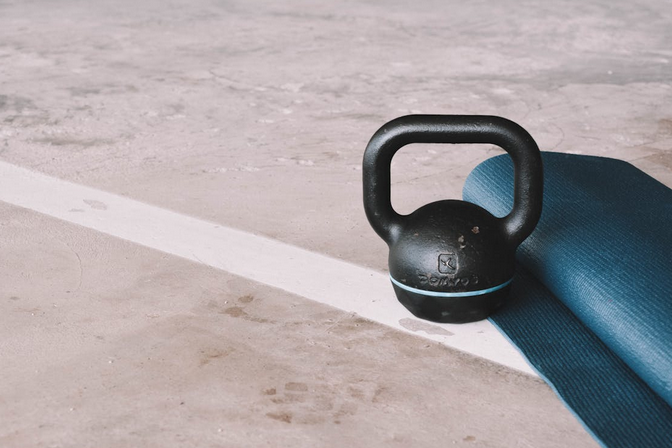
Another strength of kettlebell training is its accessibility. A single kettlebell in a small space is enough to complete an effective session. This practicality ensures people can manage stress without needing a full gym or complex equipment. The convenience reduces barriers, making it easier to stay consistent. Regular sessions become a reliable tool for managing stress, no matter how busy life becomes.
Sleep and Recovery
Stress often disrupts sleep, and poor sleep intensifies stress. Kettlebell training helps break this cycle. Physical exertion promotes deeper rest by reducing excess energy and calming the nervous system. Better sleep supports emotional balance and clearer thinking. Over time, consistent training ensures the body and mind recover properly each night. This recovery is critical for maintaining both mental health and physical well-being.
The utmost value of kettlebell training lies in its balance of physical and mental benefits. It strengthens muscles, improves endurance, and enhances overall fitness while directly supporting mental health. By reducing stress, boosting mood, and encouraging mindfulness, kettlebell workouts offer more than traditional exercise. They provide a path toward balance, resilience, and clarity in everyday life. This makes them not just a workout but a sustainable practice for long-term mental wellness.
